Setting Up a Quiet Duress Alert Process for Lone Workers
A discreet duress alert procedure gives a worker a safe way to ask for help when speaking plainly could make a situation worse. For lone workers, the value is not just in having a device. It is in knowing what counts as duress, how to raise an alert without escalating the moment, and what happens after the signal reaches someone who can respond.
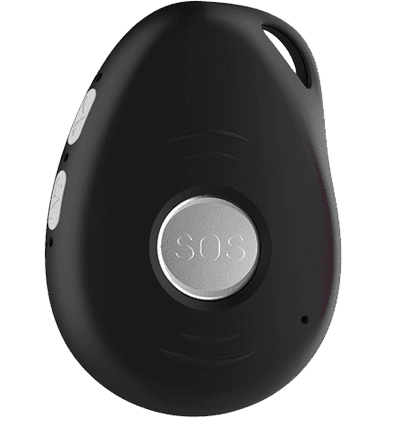
The process works best when it is simple enough to remember under stress. That means few choices, clear wording, and a response path that does not depend on the worker explaining everything at once. A personal duress alarm can be part of that plan, especially where SOS alerts, GPS location, two way voice, man down alerts or fall detection are useful. The procedure around it still needs thought.
Decide what the alert is for
Start by defining the situations where a quiet alert is appropriate. Keep the language plain and practical. A worker may face a verbal threat, an aggressive customer, an untrusted visitor, a suspicious person nearby, or a feeling that a routine visit is no longer safe. The point is not to prove danger before acting. It is to give the worker a low friction way to bring someone else into the picture.
Separate duress from immediate emergencies. If someone is being harmed, needs urgent medical help, or is in direct physical danger, emergency services should be called. A silent alert can still be raised, but the procedure should not tell workers to rely on it instead of emergency help. Where two paths exist, make the choice obvious: life threatening danger goes to emergency services first, while a growing risk can trigger the workplace response plan.
Watch for vague rules such as “use it when you feel uneasy”. That is too broad to apply consistently. A better description covers behaviour and context, for example repeated threats, blocking an exit, intimidation, or a request that places the worker in an unsafe position. Give examples that match the actual work setting, whether that is home visits, retail, site work, community support or late finish tasks.

Choose how the alert will be raised
Next, decide what the worker is expected to do. The action should be easy to perform without drawing attention. If a wearable device is used, the procedure might allow a长按 press, a preset SOS function, or another discreet action that fits the device. If the system supports two way voice, the worker may be able to confirm what is happening once contact is established, without needing to hold a phone to their ear.
Avoid making the worker memorise a long sequence. Under stress, people revert to the simplest action they have practised. If there are several alert types, explain which one to use for duress and which ones serve other purposes, such as man down or fall detection. Those automatic alerts matter, but they are not the same as a deliberate quiet request for help.
Think about privacy and dignity too. A procedure should not require the worker to invent a loud excuse or openly reach for equipment if that would increase risk. The goal is to create a controlled handoff, not to make the worker confront the other person. A workplace panic button may be treated as a last resort by staff if they think using it will cause embarrassment or blame, so the wording needs to make safe behaviour acceptable.
Set the response path before rollout
An alert is only useful if someone receives it and knows what to do. Name the role responsible for monitoring alerts during working hours, and set a backup for lunch breaks, after hours work and busy periods. A lone worker system with GPS can help a responder understand where the worker is, but location alone does not tell the whole story. The responder needs a clear script for first contact.
That script should cover three points: how to open the contact, how to check safety without alarming the other person, and when to escalate. For example, the responder might use two way voice to ask a short agreed question. If the worker answers in a prearranged way, the responder can move to the next step. If there is no answer, or the worker sounds distressed, escalation should happen without delay.
Watch for a response plan that depends on one person being available at all times. That creates a weak point. Build cover into the procedure, and make sure the backup person has the same authority to act. If workers are on site alone at different locations, the response plan should account for travel time and local hazards rather than assuming someone can simply arrive.
Agree on a simple code for contact
A quiet code can help the worker and responder confirm the situation without saying too much in front of another person. Keep it short and unremarkable. It should not sound like a secret phrase or something that would draw attention. The code might confirm that the worker is safe but delayed, or that they want the responder to stay on the line and call for help.
Do not rely on the code alone. If the device provides two way voice, the responder can listen for tone, pauses, background noise or changes in speech. GPS information may show that the worker has moved unexpectedly or stayed in one place. Man down and fall detection alerts can add another layer if the worker becomes incapacitated. Each signal should be treated as information, not as a perfect account of events.
The trade off is between clarity and discretion. A code that is too obvious defeats the purpose. A code that is too subtle may be missed. Test the wording in ordinary conversation with the team and choose language that feels natural. A workplace panic button is easier to use when the surrounding process feels familiar rather than theatrical.
Train the response, not just the button
Training should cover the full sequence: recognising the warning signs, raising the alert, answering contact, and what happens next. Keep sessions practical. Walk through a few realistic scenarios and ask workers what they would do at each point. Include the responder role as well, since a calm voice and a predictable response can reduce confusion.
De escalation skills can help in some situations, but they should not be presented as a substitute for an alert. A worker should not feel expected to manage a threat alone because they were trained to stay calm. The procedure should make it clear that seeking support is the preferred action, even when the worker believes they can handle the conversation.
Watch for training that focuses only on device features. People need to know when to act, what permission they have to stop a task, and how they will be supported afterwards. Include managers in that conversation. If a worker raises a duress alert and later learns that they were judged for interrupting work, confidence in the whole system will fade.
Practise the handoff
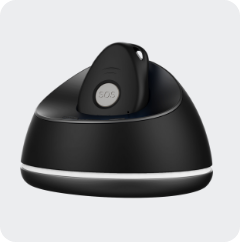
Before the procedure goes live, run a short exercise that follows the alert from start to finish. The worker raises a practice alert, the responder follows the agreed script, and the escalation step is tested without creating real emergency demand. Check whether the alert is visible, whether the location information is useful, and whether the two way voice connection works in the places where work happens.
Look for delays that are easy to miss on paper. A responder may be monitoring several workers at once. A device may be carried in a bag or pocket where the control is hard to reach. A worker may be in an area where voice contact is difficult. These issues can be fixed through placement, wording, extra checks or changes to the procedure before a real incident occurs.
Practice should also cover false alarms. Treat them as a learning opportunity rather than a failure. If a worker triggers an alert because a situation feels unsafe, the response still matters. Review what happened, note whether the worker felt supported, and adjust the plan if the trigger rules were unclear.
Review after each use
After any alert, capture a short incident report while the details are fresh. Record what led to the alert, how contact was made, what response followed, and whether the worker felt the procedure helped. Keep the tone factual and non blaming. The purpose is to improve safety, not to decide whether the worker should have waited longer.
Review the wider procedure at regular intervals, especially after changes in staffing, work locations, hours or equipment. A process that suited a team in one setting may not suit a different pattern of work. Check that contact roles are current, codes still make sense, and workers know what their personal duress alarm is expected to do.
A discreet alert procedure is not complicated, but it does need discipline. Define the risk, make the action easy, prepare the responder, practise the handoff, and learn from every use. When those pieces line up, the device becomes part of a workable safety plan rather than a piece of equipment nobody wants to touch.